Introduction to Arcade Games and their influence over mainstream gaming
Arcade games saw the beginning of games development and designs; as advancements in technology progressed, new games systems could be created and adapted to provide a variety of different games to play. Arcade games kickstarted all development into video game creation and development, as well as their systems that supported video games. Arcades also had small aspects of multiplayer games, as more people could meet up together to compete and show who is the best at a certain video game, this small idea would slowly grow to a world-wide network where anyone can compete with anyone.
SPACEWAR! and Early Video Games/Pre-Arcade era

The first influential and mainstream video game designed on (and for) a computer is a video game called Spacewar! It was designed and could be played on the PDP-1 in 1961, a new computer at the time. The video game was programmed by a group of students from the Massachusetts Institute of Technology. The gameplay involved pitching two players against eachother, both of whom had control over a spacecraft which could fire missiles, whilst at the same time the star in the middle created certain hazards for the players. Spacewar! was eventually distributed through DEC computers and traded through The Internet whilst it was in it’s early stages.
In 1966, a man called Ralph Baer and his co-worker, Bill Harrison (Both of whom worked in military electronics in New Hampshire) created a video game called Chase, which was the first ever video game to ever display on a standard television set. They also created The Light Gun, a gun that is used in arcade games to actually control the game with a physical gun, instead of a standard joystick and so forth. In 1967, the due were joined by Bill Rusch (Who graduated from the Massachusetts Institute of Technology) and together they created a system that could run multiple different games such as table tennis and target shooting. After keeping the project secret for a long time, the team brought the finished prototype to the attention of Sanders’ R&D department. It was here, in 1969, that the team showed the world’s first video-games console to manufacturers.
The Origins of Arcade Games
In 1971, Galaxy Game was installed at Stanford University, USA. Galaxy Game was based on Spacewar! and it was the first ever coin-operated video-game. Only one was built, using a DEC PDP-11 and vector display systems. A year later, in 1962, it was expanded to be able to handle four to eight consoles.
Again in 1971, Nolan Bushnell and Ted Dabney created a coin-operated version of Spacewar! and called it Computer Space. A company called Nutting Associates bought the game and manufactured 1,500 Computer Space machines, with their public release being in November, 1971. The game was, however, unsuccessful, however people still remember it as being a landmark in mass-produced video games and was the first to be offered for commercial sale.
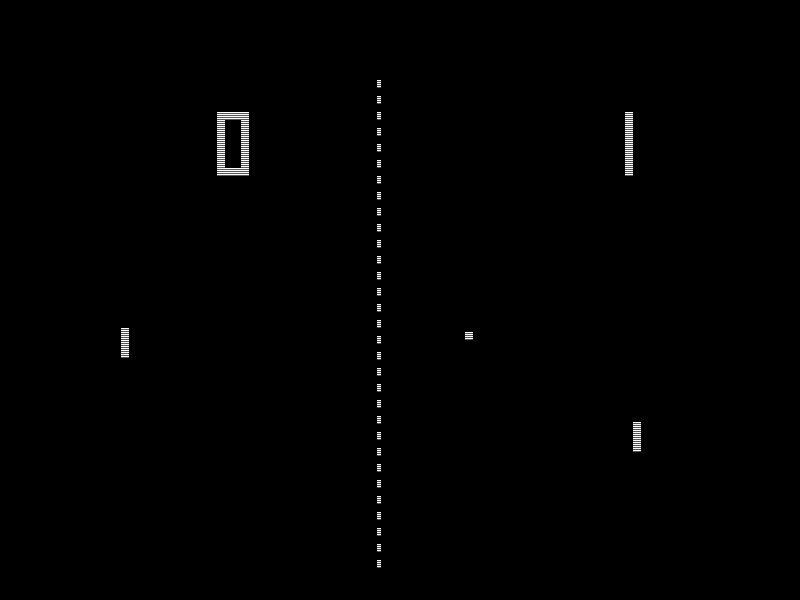 A year later, Bushnell and Dabney founded Atari Inc. a very influential video-games company, who later that year went on to create a video gamed called Pong. Pong is the first ever arcade game that had a widespread success. It was created by Alan Alcorn, and went on to be mass produced, selling over 19,000 pong machines.

Another game called Gun Fight was also a revolutionary step forward in arcade games and video games in general. Desgined by Tomohiro Nishikado in 1975, it had game characters, game violence and human-to-human combat; all of which were new at the time. It was controlled by a dual-stick dashboard. This inspired David Nutting of Midway Games to re-make the game using a microprocessor, the Intel 8080, which later inspired Nishikado to create his next game, Space Invaders, with a microprocessor.
The Golden Age of Arcade Games (1970-1990)
With a successful launch of Space Invaders, the arcade scene started to boom and so the golden age began. Video games arcade started to appear in different places such as shopping malls and the new ‘corner arcades’ appeared in restaurants, stores, bars and cinemas in the United States, Japan and other countries during the late 70s and early 80s. The most popular arcade games being Space Invaders, Galaxian, Pac-Man, Battlezone, Defender and Bosconian managed to create a revenue of $8billion over time.
However, by 1981, the arcade-game hype had faded due to home video games systems (consoles) being a lot more accessible and cheaper than previous, this lasted for 8 or 9 years until arcade games were revived during the Resurgence of Arcade Games.
The Resurgence was caused mainly by the release of Capcom’s Street Fighter II which made fighting games a very competitive and popular scene, which revived the arcade scene to levels not seen since Pac-Man’s release. Street Fighter’s success led to a popular demand of more fighting games, and such games as Pit Fighter, Mortal Kombat, Fatal Fury, Virtua Fighter and Killer Instinct had been developed and released for arcades.
Riding on the back of the fighting game popularity, a lot of companies created more arcade games to entertain people currently in the arcade just to play fighting games. Racing games has become massively popular too, an example being Namco’s Ridge Racer and games had finally began to use Harrison’s and Baer’s Light Gun hardware to create even better arcade games. However this all ended soon enough.
The Decline of Arcade Games
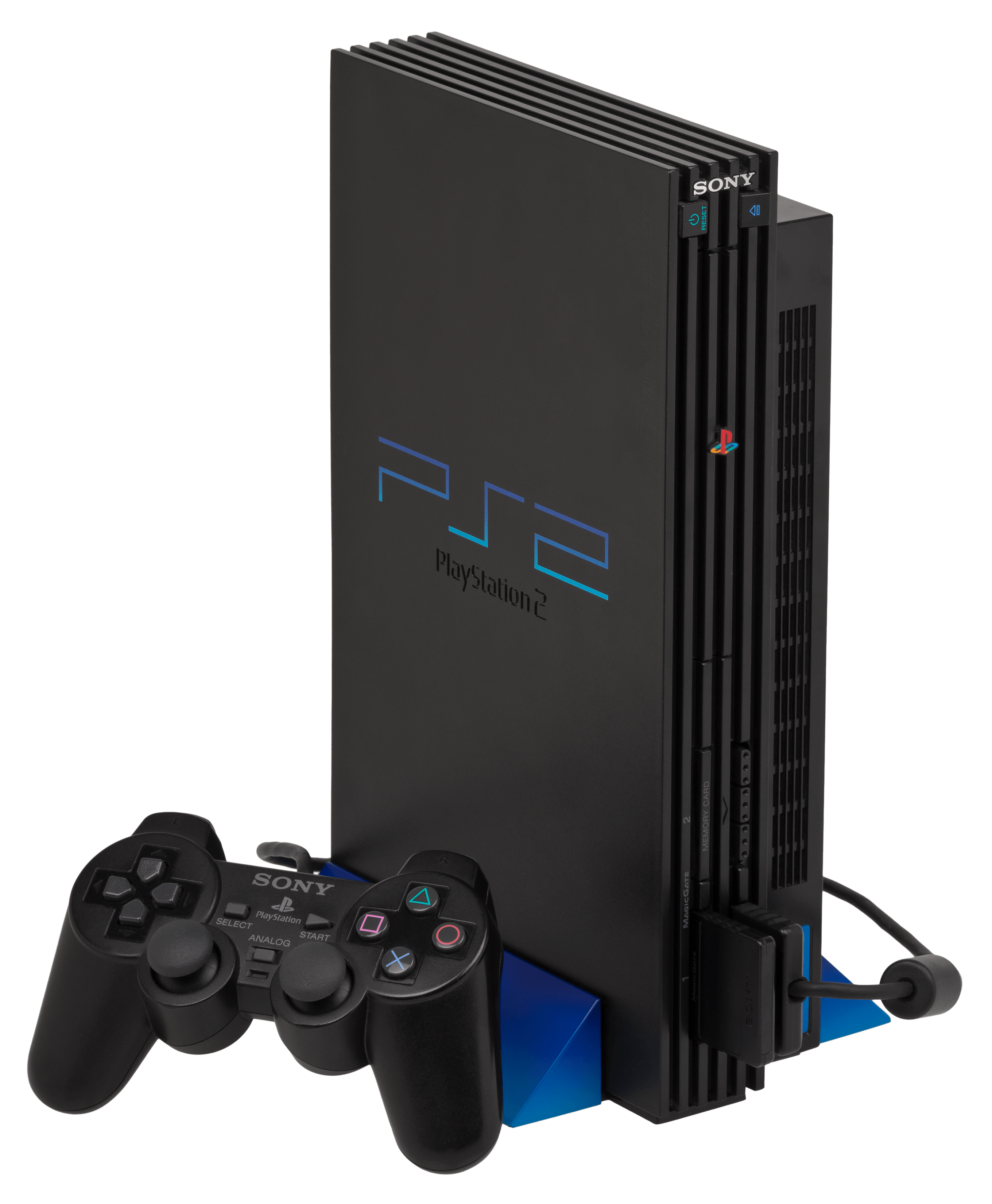
With more and more powerful hardware being released, consoles and PCs began to release with access to 3D graphical technologies. Not only that, but it was a lot cheaper and more cost-efficient to be able to play your new games on a PC or home system, rather than going down to the arcade and spending money to play there. Companies and genres began to pull out from the arcade industry and moved to consoles and PCs. However, fighting games still withheld this decline and remained in arcades, but they could support the whole industry by themselves, and so arcades were less popular.
Conclusion
Arcade games were mainly played by teenagers; they enjoyed the type of games that the arcade market provided. Games such as Street Fighter entertained teenagers because of, simply, the stage of their life that theyr’e in. They think they’re invincible and enjoy the ideas of fighting anyone who contests them, so games like Street Fighter are an massive entertainment and a slight inspriation for these sorts of people. It also gave teenagers a place to ‘hang out’ and socialize with their friends, so the Arcade wasn’t just for their own entertainment but it was for their social lives too.
Arcades still survive today mainly due to the social aspect of it all; not for the actual content of the video games that can be found there, more to compete and prove an individual’s prowess for skill in a certain video game, so arcades did not fully die out, but they are not as popular as the technologies that can be accessed at home for a lot cheaper and with a lot less hassle.
However in Eastern cultures such as Japan, arcades are still rampant and booming in popularity. Out of Japan’s $20billion video games industry, Arcades create $6billion, so it is still very popular there. However, due to Japan’s economy, it’s revenue is slowly declining over time.
Many arcade concepts are still being used for gaming today; and a lot of revamps and reboots are being made to keep up with today’s technological advancements in computer graphics and performance, but they are not as popular as mainstream AAA titles that are found on Console, PCs and now handheld systems.
 Declan